Reducing how often returns happen, making the ones that do happen cheap to process, and stopping return fraud, so that returns cost less and customers stay.
Ecommerce return optimization: Cut return rates and stop return fraud
What returns cost, the seven types of return fraud, and a two-part plan to cut avoidable returns and keep abusers out without punishing good customers.
 By 8 mins readPublished Updated
On this page
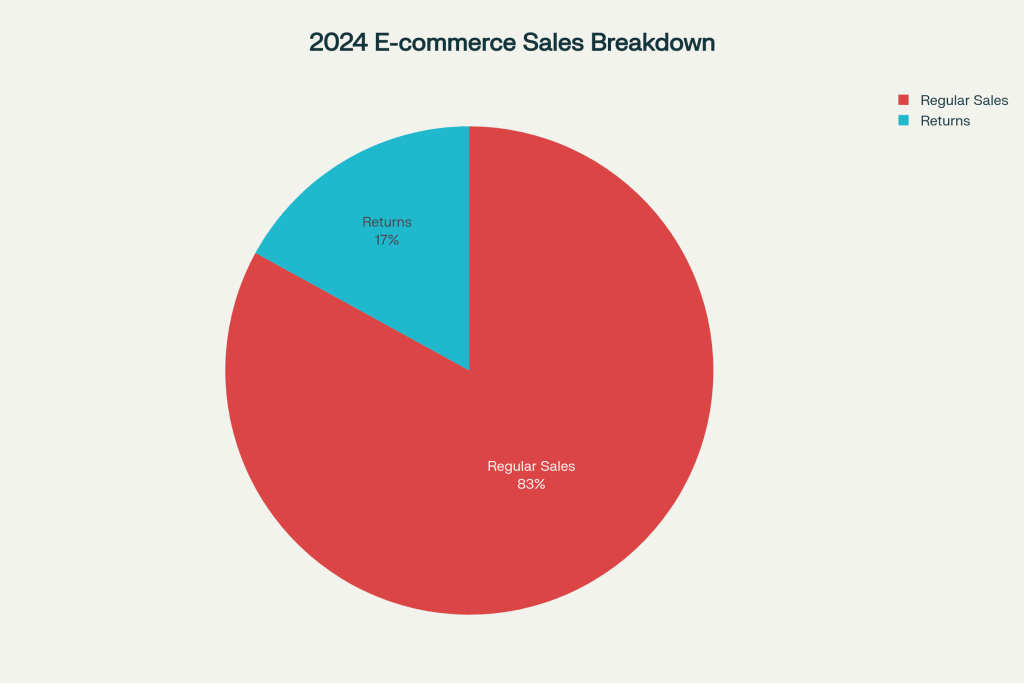
US retailers took back $890 billion of goods in 2024, and ecommerce return rates sit between 20% and 30% against 8% to 10% in stores. Most brands book a return as pure loss: the sale gone, plus shipping, inspection and restocking on top. It does not have to work that way. Return rates can be pushed down, and the returns that remain can be handled so the customer stays and the abusers do not.
Returns as a problem you can manage
The retailers doing this well attack returns from two sides. They cut avoidable returns at the root with accurate product data, better fit information and customer education, and they make the unavoidable ones cheap and painless to process.
Done together, the two produce:
- Loyalty. A clear, easy return policy builds trust, and a customer who has had one good return comes back.
- Margin. A tuned returns process costs less to run, recovers value by reselling or repairing items, and leaves less room for fraud.
Return optimization is no longer a back-office fix. It is a direct lever on profit and retention for any brand selling online.
The payoff, in brief:
| Benefit | How It Works |
|---|---|
| Higher customer satisfaction | Transparent policies, easy self-service portals, and rapid refunds. |
| Stronger brand reputation | Consistent, hassle-free experiences turn a potential pain point into a loyalty booster. |
| Improved profitability | Lower processing costs, recovered value via resale or refurbishment, and reduced fraud. |
Treat returns as something you manage rather than a cost you absorb, and loyalty and margin both move.
What returns cost US retailers
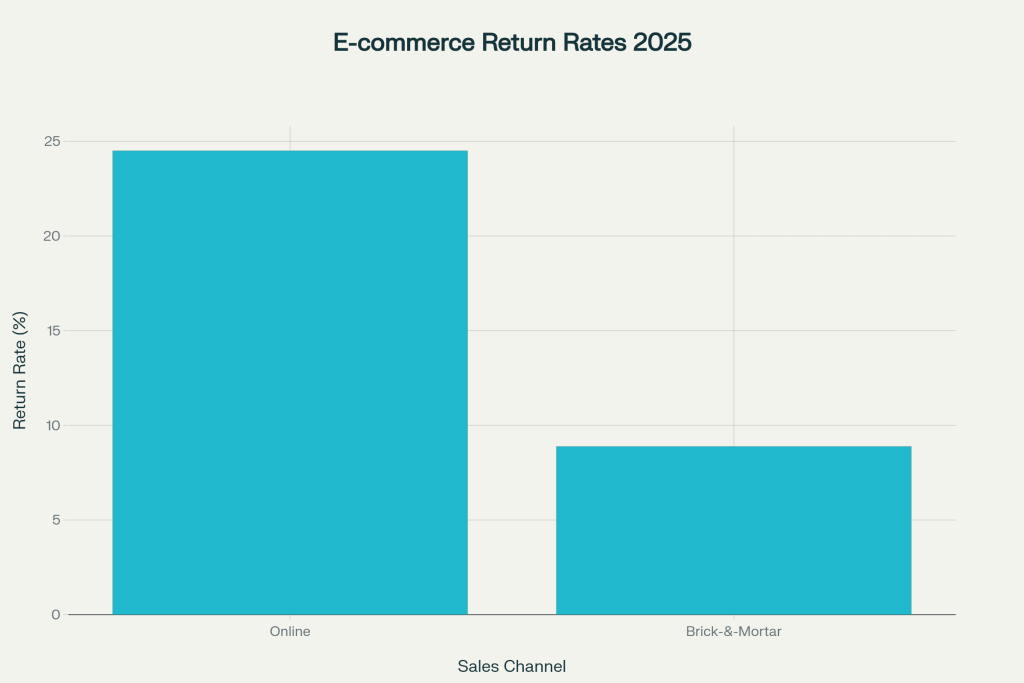
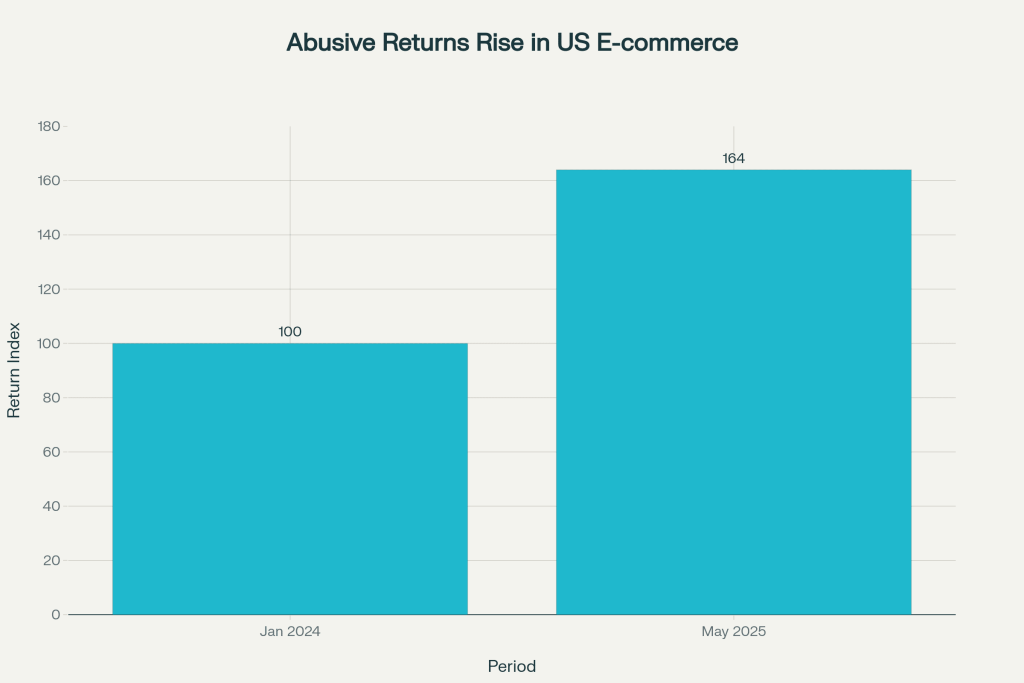
US retailers took back $890 billion in returned goods in 2024, with the figure projected to grow in 2025. Ecommerce return rates, historically 20% to 30%, were forecast at 24.5% for 2025, against 8% to 10% for brick-and-mortar stores; shoppers cannot handle the product before buying, so expectations miss more often. Abusive returns rose 64% in the first half of 2025, and return fraud costs retailers over $103 billion a year.
Why returns are more than a cost line
What a single return costs
A return is not just a lost sale. It triggers shipping, processing, inspection and restocking, and once inventory depreciation and lost future purchases are added, a $1 return can cost $0.85. Fraudulent returns cost more: every $100 in fraudulent orders costs retailers $207 once chargebacks and operational overhead are counted.
What customers expect
Shoppers treat free, easy returns as the baseline. 74% will not buy if return shipping is not free, and 62.58% want a straightforward process. A clear return policy on the product page cuts cart abandonment and lifts conversion. Amazon set the standard, and customers now hold every store to it.
How returns shape loyalty
The returns process is where loyalty is won or lost. Surveys put the share of consumers who would drop a brand after a bad returns experience at 65%, and the share who buy again after a good one at 84%. Free, easy returns have been linked to increases in future spending of 158% to 457%. The catch is that an over-generous policy invites bracketing and wardrobing, so generosity has to be targeted.
The types of ecommerce return fraud
A taxonomy of return fraud
Return fraud costs retailers billions a year. The common types, with a definition and an example of each:
| Fraud Type | Definition | Example |
|---|---|---|
| Serial Returning | Habitually buying and returning most orders, often exploiting lenient policies. | A customer buys 10 items monthly, returning 8 consistently. |
| Wardrobing | Buying an item, using it once, and returning it as unused. | Wearing a dress to an event with tags hidden, then returning it. |
| Bracketing | Ordering multiple sizes/colours of an item, intending to return most. | Buying three sizes of a shirt, keeping one, and returning the others. |
| Bricking | Returning an electronic item after removing valuable components. | Removing a phone’s processor, then returning the non-functional device. |
| Empty Box Fraud | Returning an empty box or worthless items of similar weight. | Shipping back a box with magazines instead of a laptop. |
| Switch Fraud | Returning a cheaper or counterfeit item in place of the original. | Replace a new graphics card with a broken one in the original packaging. |
| Friendly Fraud | Falsely claiming an item wasn’t delivered or was faulty for a refund. | Claiming a delivered package never arrived to secure a chargeback. |
Each type needs its own countermeasure, which is why the prevention section below is split by customer risk and by product.
Two jobs: Fewer returns and less abuse
Part 1: A better customer experience and fewer legitimate returns
Get the product page right
Most avoidable returns start on the product page. Fewer surprises on delivery means fewer boxes coming back:
- Descriptions that cover materials, fit and care.
- Photos from several angles, video and 360° views.
- Dynamic sizing charts and fit-prediction tools.
- Customer reviews with photos and fit feedback.
Write a policy people can follow
A clear, findable policy builds trust before the purchase:
- A defined window, 30 to 60 days.
- Condition requirements: unworn, tags attached.
- A plain statement of who pays return shipping.
Make the return itself painless
Give customers a self-service portal to start a return and track it, send automated updates as it moves, and accept returns in store or at third-party drop-off points.
Keep the revenue in the business
- Free shipping or a small bonus on exchanges.
- Instant store credit or gift cards instead of a refund.
- Live exchanges, so the customer picks the replacement while starting the return.
Part 2: Preventing return fraud and abuse
Risk-based policies
One policy for everyone is what abusers count on. Give high-value customers extended windows and instant refunds; send high-risk accounts to manual review or charge them a return fee. The risk score on the account decides which path the return takes.
Digital tracing and verification
- Transactional checks: Address Verification System (AVS) and CVV.
- Behavioural signals: IP geolocation and email reputation.
- Cross-channel mapping, so the same person cannot abuse each channel separately.
Product-specific countermeasures
- Electronics: record serial numbers and use tamper-evident seals.
- Apparel: visible return tags that stop wardrobing.
- Luxury goods: RFID or NFC tags for authenticity checks.
Using data and automation in returns management
The returns hierarchy of needs
- Automation: self-service return initiation and label generation.
- Visibility: one integrated view of returns data across systems.
- Optimization: using that view to cut returns and fix operations.
From raw data to decisions
- Product-level analysis to find high-return SKUs.
- Reason codes to separate bad descriptions from transit damage.
- Customer segmentation to flag serial returners and reward loyal buyers.
- Feedback mining to fix products and copy.
The role of AI
- Pattern recognition across return reasons and customer behaviour.
- Forecasting return volumes for staffing and warehouse planning.
- Risk assessment that routes suspicious orders to manual review.
Automating reverse logistics
- Auto-approve valid returns and generate labels.
- Sync returned items with the warehouse system.
- Route returns to the location where the item will sell next.
Where to start
Start with the data you already have: the ten SKUs with the highest return rate and the reason codes attached to them. Fix those product pages first. Then split the returns policy by customer risk, so serial returners stop getting the same terms as everyone else. That split needs a risk score at checkout. Sensfrx scores every signup and payment from device, network and behaviour signals, so an account that matches a known abuser's device and behaviour is reviewed at the order rather than at the returns desk. Start on the free plan.
Frequently asked questions